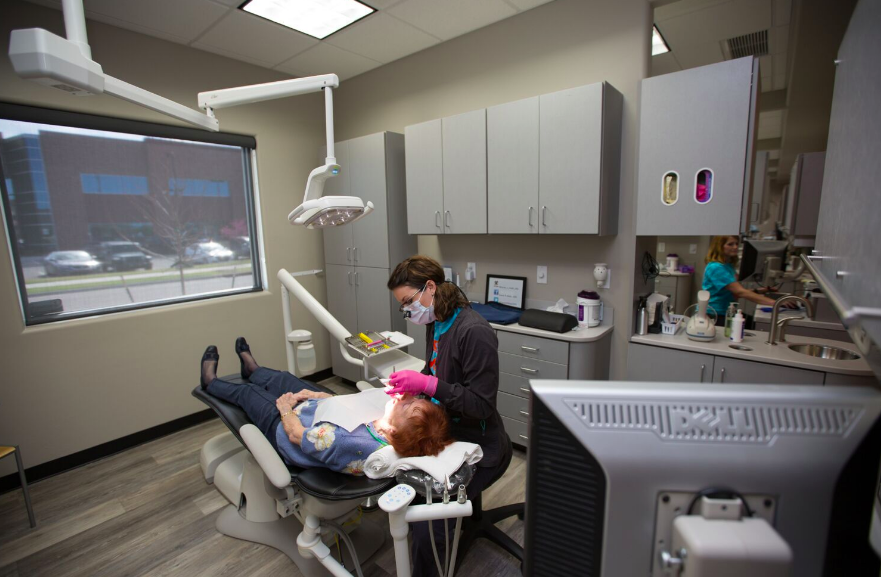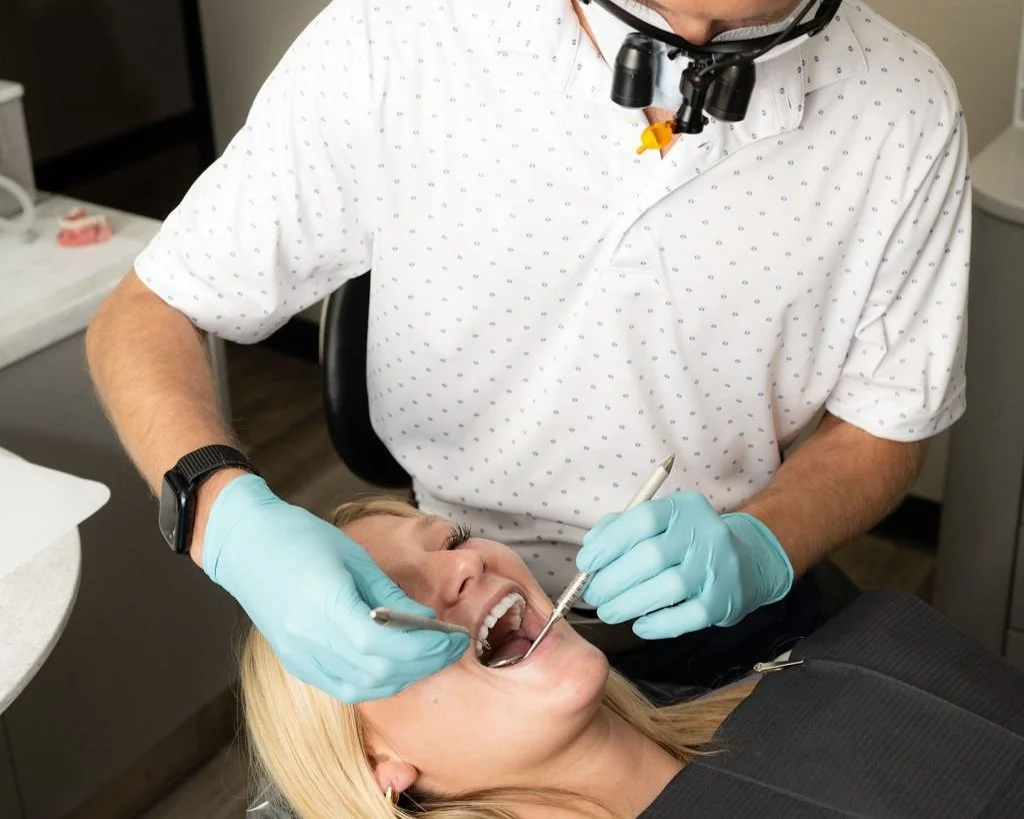
Many patients do not realize a tooth needs a crown until it cracks, starts to ache, or an old filling finally gives out. Catching the warning signs early can mean the difference between a simple restoration and a much bigger problem down the road. If you have noticed something off with one of your teeth, this guide walks through the most common signs you may need a dental crown, what happens if you wait, and how the team at Mask Dental Studio in Norman can help.
What Is a Dental Crown?
A dental crown is a custom-made cap that fits over a damaged tooth to restore its shape, strength, and appearance. Once placed, it protects the tooth from further damage and lets you chew and smile with confidence. Crowns are one of the most common restorative treatments in dentistry. You can read more about the full process on our dental crowns page.
6 Signs You Might Need a Dental Crown
Every tooth is different, but these are the situations where a crown is most often the right solution:
1. A cracked, chipped, or broken tooth
A crown wraps around a compromised tooth and holds it together, preventing a crack from spreading deeper where it could threaten the whole tooth.
2. A large or failing filling
When a filling is very large or keeps breaking down, there may not be enough healthy tooth left to support it. A crown provides far more stability than another filling could.
3. After a root canal
A tooth often becomes brittle after root canal therapy, so a crown is usually recommended to protect it from fracturing during normal use.
4. Severe wear from grinding or clenching
Years of grinding can wear teeth down until they are weak or sensitive. A crown can rebuild a worn tooth to its proper shape and height.
5. Deep decay too large for a filling
When a cavity reaches a point where a filling would not hold, a crown restores the tooth while sealing out further decay.
6. A misshapen or discolored tooth
Crowns are not only restorative. They can also improve the look of a tooth that is badly shaped or stained in a way that whitening cannot fix.
What Happens If You Wait?
It can be tempting to put off treatment when a tooth is not hurting much yet, but waiting often makes things worse. A small crack can spread until the tooth splits, decay can reach the nerve and lead to infection, and a tooth that could have been saved with a crown may eventually need a root canal, an extraction, or a dental implant. Addressing the problem early is almost always simpler, more comfortable, and less expensive.
Crown or Filling: How Dentists Decide
The choice usually comes down to how much healthy tooth structure remains. For small to moderate decay, a filling is often enough. When too much of the tooth is damaged or missing, a filling cannot provide reliable support, and a crown becomes the better long-term choice. During an exam, Dr. Mask or Dr. Alexander will show you exactly what is happening with your tooth and explain which option makes the most sense for you.
What to Expect at Mask Dental Studio
If you suspect you need a crown, the first step is a simple exam at our Norman office. Our team will evaluate the tooth, explain your options clearly, and answer your questions before any treatment begins. Comfort is a priority at every step, which matters especially for patients who feel anxious about dental work. Our goal is for you to leave understanding exactly what your tooth needs and why.
Frequently Asked Questions
Do I need a crown or a filling?
It depends on how much of the tooth is healthy. Fillings work well for small to moderate decay, while crowns are used when a large portion of the tooth is damaged or weakened. An exam is the only way to know for sure.
How much does a dental crown cost, and does insurance cover it?
Crown cost varies by material and the specifics of your case. Because crowns restore function, dental insurance often covers part of the cost when the crown is medically necessary. For any remaining balance, we offer financing options to help spread out payments.
How long do dental crowns last?
With good care, most crowns last 10 to 15 years or longer. Brushing, flossing, and regular checkups all help extend their lifespan.
Does getting a crown hurt?
The tooth is fully numbed beforehand, so the procedure itself is comfortable. Some mild sensitivity afterward is normal and usually fades within a few days.
Can a cracked tooth be saved without a crown?
Sometimes a very minor crack can be monitored or repaired with bonding, but most cracks that affect the structure of the tooth need a crown to prevent the damage from spreading. An exam will determine the safest approach.
Not sure whether your tooth needs a crown? The sooner you know, the more options you have. Schedule an exam with our Mask Dental Studio team, and we will help you protect your smile.